Stainless steel is characterised by greater resistance to oxidation and corrosion, especially in humid air or fresh water, than so-called 'carbon steel' (or common unalloyed steel).
This capacity is mainly due to the near-absence of carbon <=0.07%, and to the presence of chromium, in the alloy, which is able to passivate, i.e., to coat itself with a thin, adherent layer of oxides, practically invisible to the thickness of a few atomic layers (of the order of 0.3-5 nm), which superficially protects the underlying metal or alloy from the action of oxygen and external chemical agents.
The minimum content of 'free' chromium, i.e. not combined with carbon, for a steel to be considered stainless is 10.5 % so that the formation of the continuous, corrosion-protective 'passivating' oxide layer can take place. Chromium in the alloy, in fact, combining with carbon, can form chromium carbides that, by precipitating at the edges of the grains of the crystalline structure, limit its availability to form oxides and thus passivate.
Generally, values between 12 and 17% chromium are found in the alloy, but other elements can also be used in stainless steel to increase oxidation and corrosion resistance.
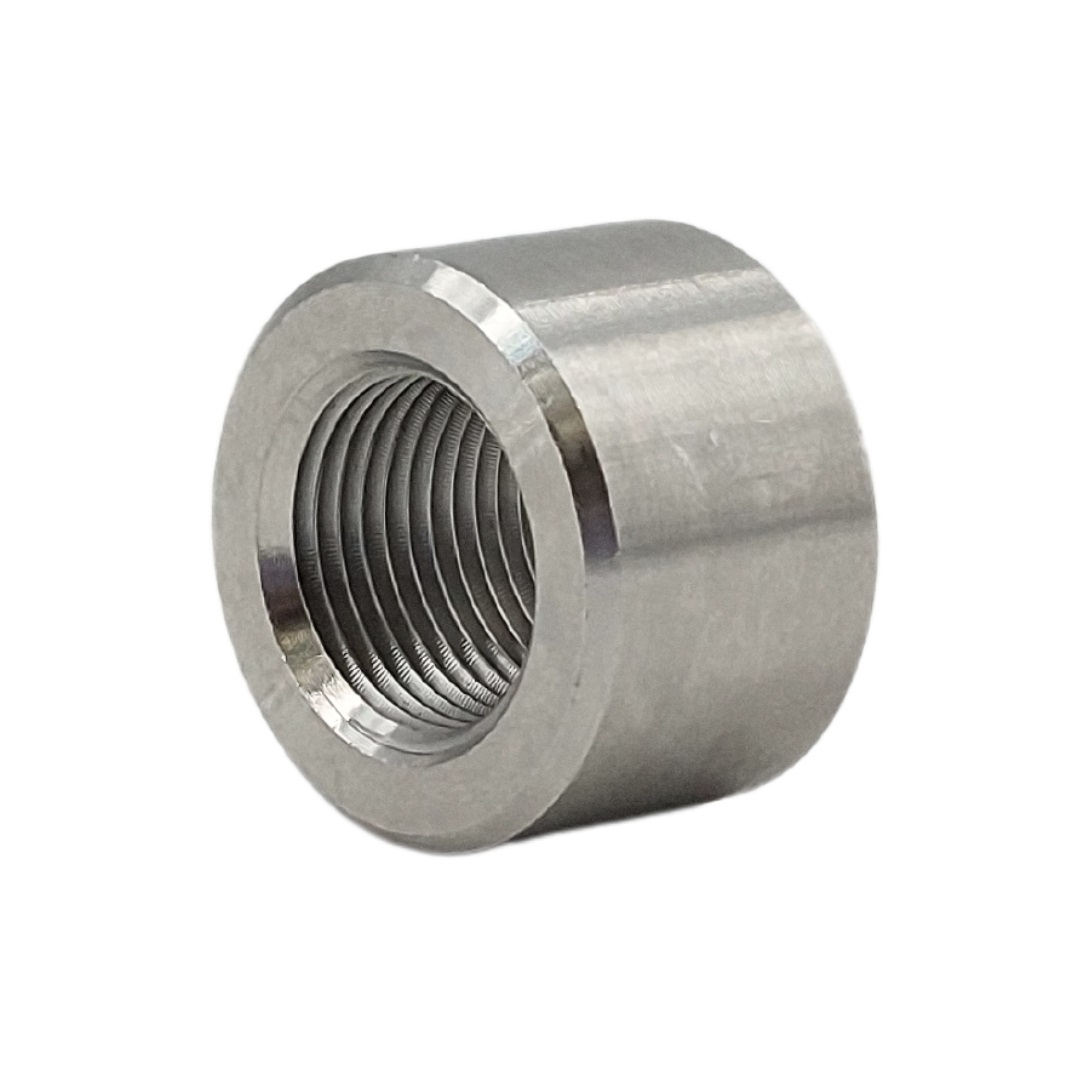
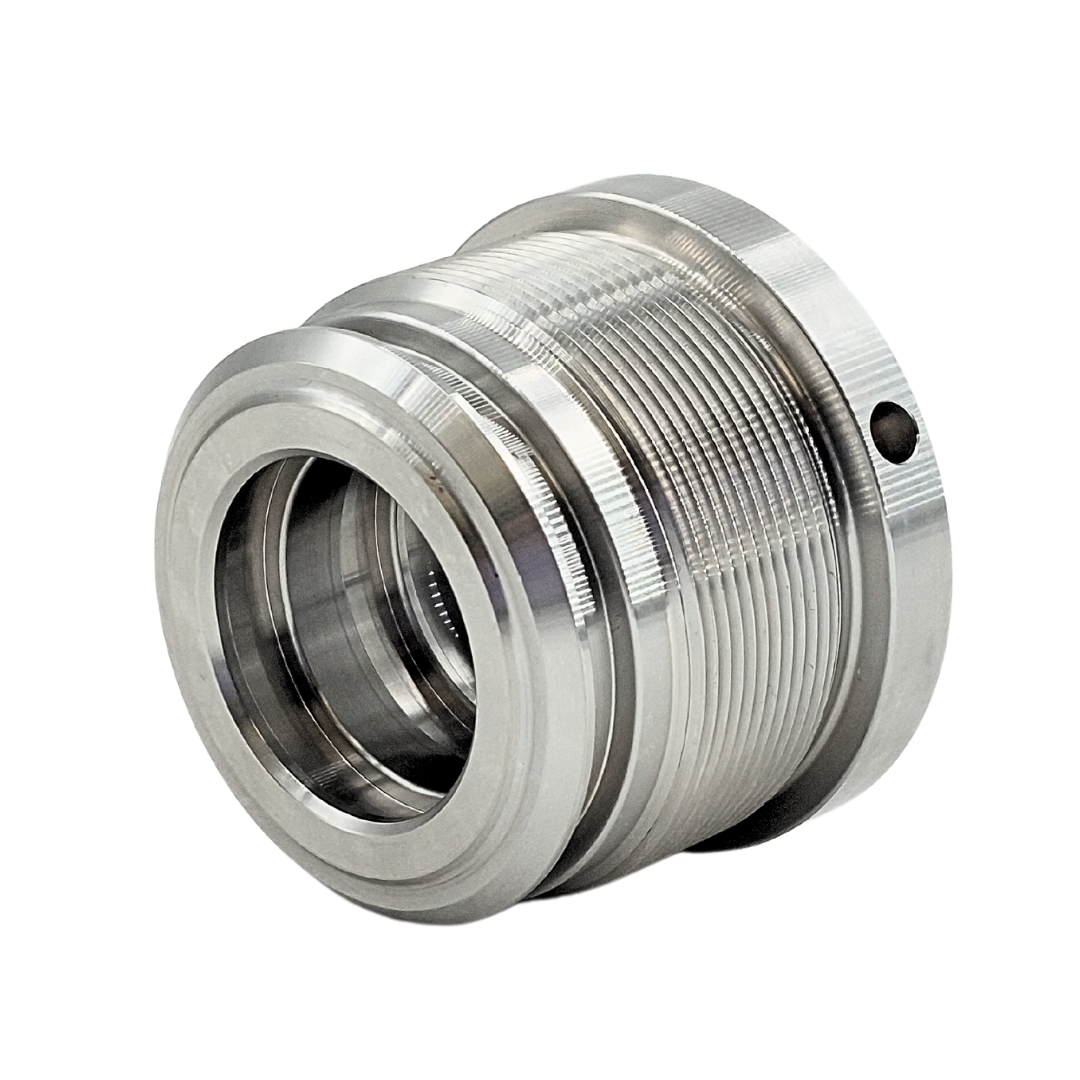
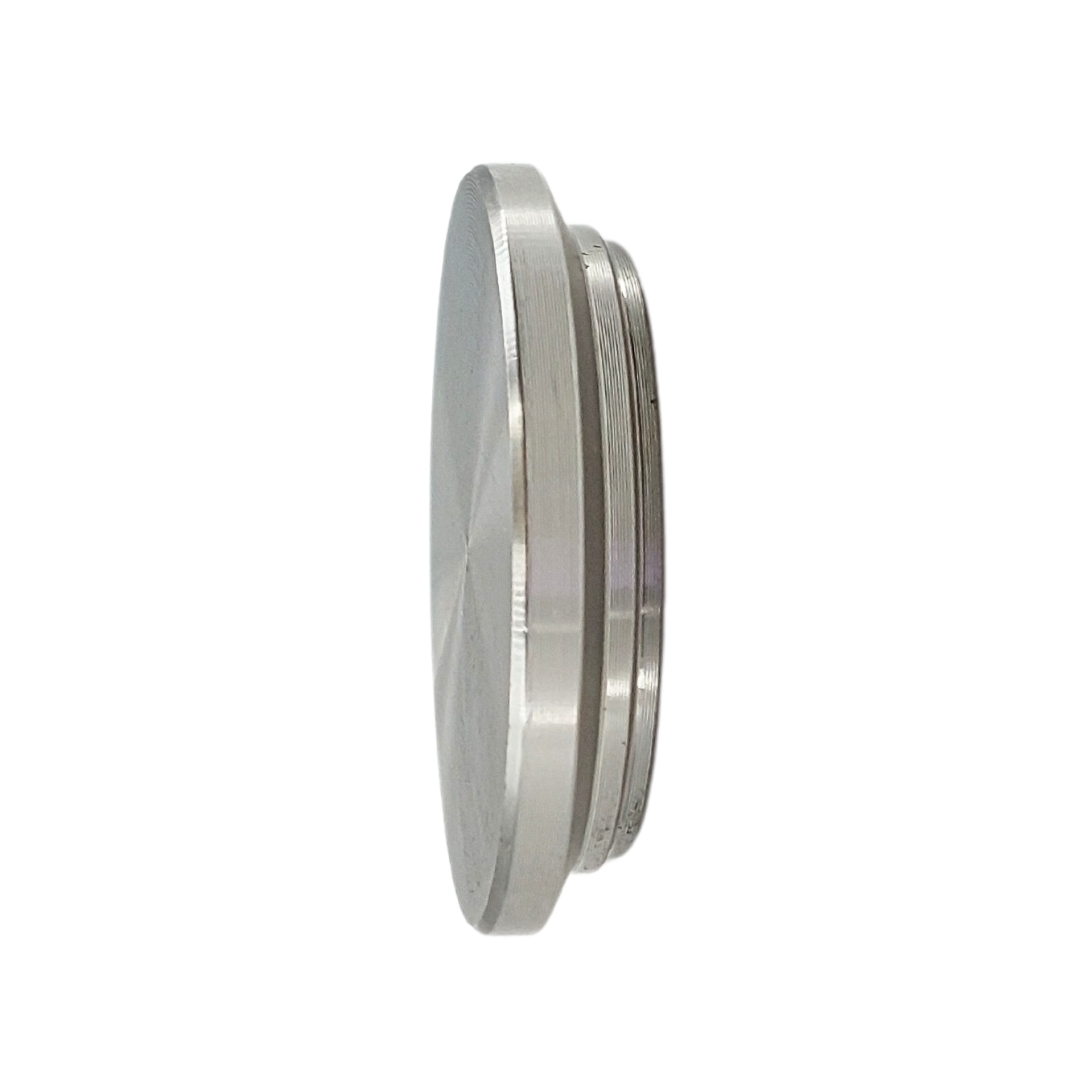
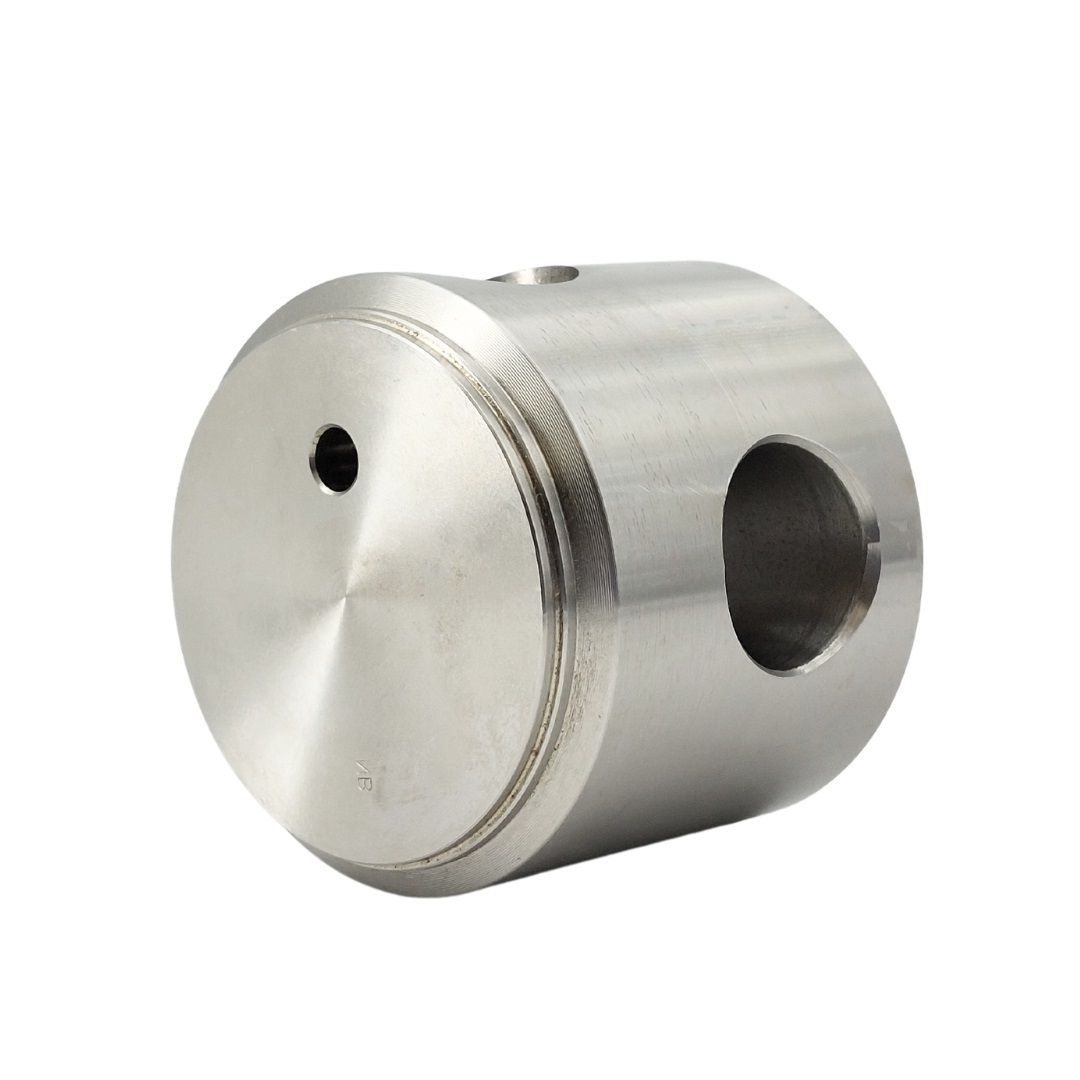
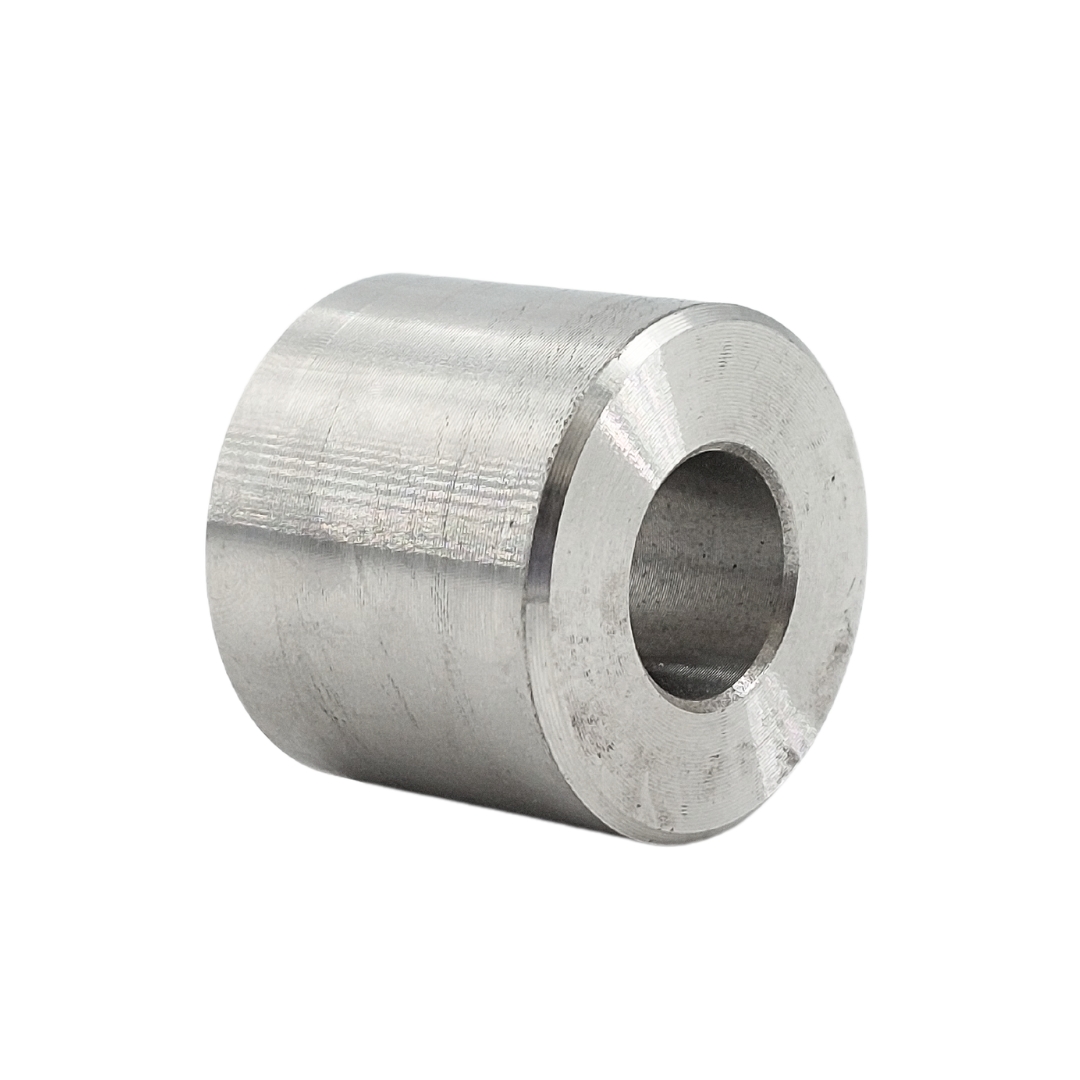
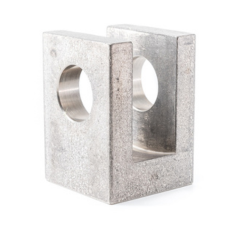
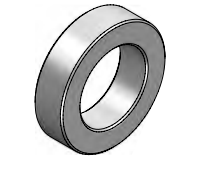
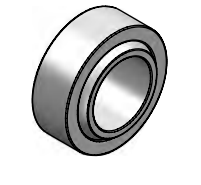
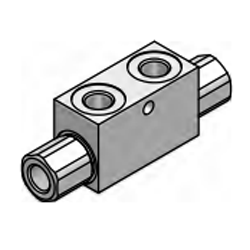
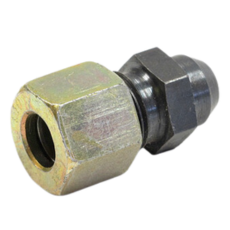
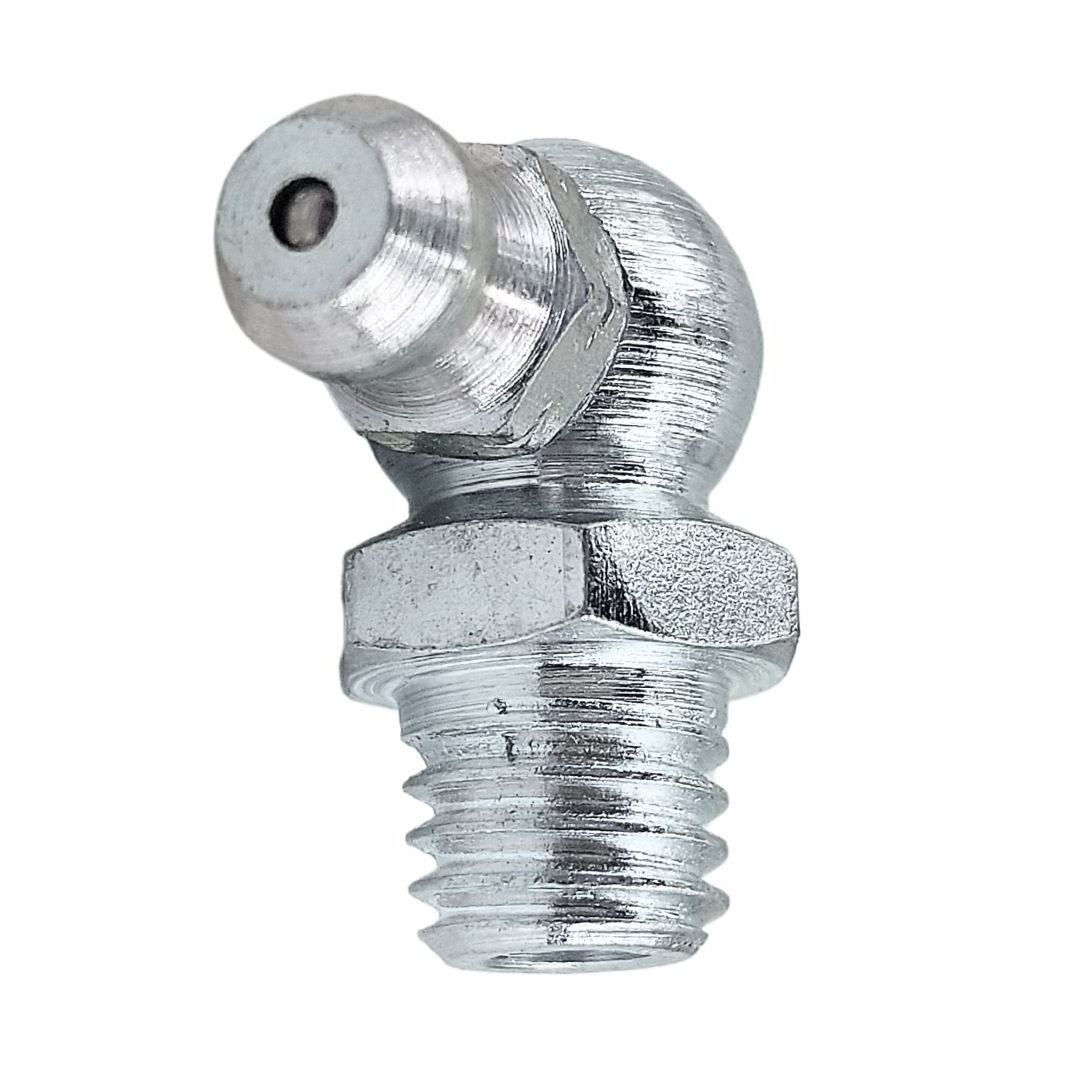
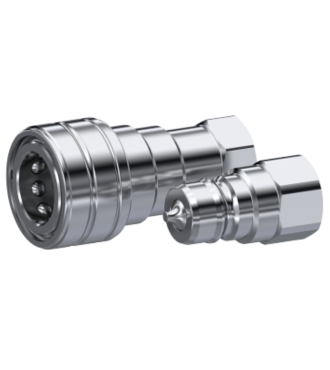
Among our stainless steel components, you can find head bushes, forks, end plugs, bosses, bushings, fixed eye, weld rings and ball joints.
Our stainless steel components are made entirely of AISI 316 L and AISI 420stainless steel and are mainly used in the marine and food industry.